

ANGOLA
2–20 August 2027
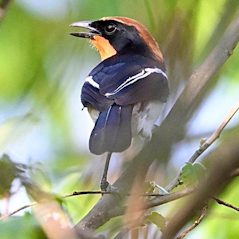
Angola stands out as one of Africa’s finest but most underexplored birding destinations. The country’s varied ecosystems, from highland forests and escarpments to the Namib Desert, create ideal conditions for an incredible diversity of bird species, many of which are lifers for even the most seasoned birders. Join us as we search for the stunning Braun's Bushshrike, Red-crested Turaco (the Angolan national bird), Angola Cave Chat, the recently rediscovered White-headed Robin-Chat and other highly sought after species on this unforgettable tour.
Day 1 Overnight flight from London to Luanda.
Day 2 From Luanda Airport, we will begin our Angolan adventure by heading north towards the remote northern forests near Uíge. The drive takes several hours and provides an opportunity to take in the stunning landscapes of Angola, while also gaining some insight into the country’s diverse cultures, people and economic life. Planned birding stops along the route will provide our first opportunities to observe some of the region’s birdlife. Early sightings could include African Harrier-hawk, Long-crested Eagle, Red-necked Buzzard and Angola Swallow. The forest edges and open woodlands could reveal Cassin’s Flycatcher and Yellow-mantled Weaver, while water bodies may host African Darter. Two nights in a hotel in Uige.
Day 3 The northern escarpment forests of Angola, including the Damengola Forest and its surroundings, hold some of the country’s most exceptional bird species. These forests, blending Guinea-based and central African avifauna, are a top destination, offering a wealth of avian treasure around every corner. The primary target for us here is the stunning and highly localised endemic Braun's Bushshrike, one of Angola’s most sought after species, which requires dedicated effort to locate. Other notable species include African Piculet, Tit-hylia, White-collared Oliveback, Yellow Longbill and Black-bellied Seedcracker, though some of these are elusive. The mournful hoots of Afep and Western Bronze-naped Pigeons echo through the forest, while Blue-throated Rollers perch conspicuously above the canopy. Black-casqued Hornbills and Red-fronted Parrots soar overhead, and Yellow-crested Woodpeckers drum from towering trees. Grey-headed and White-breasted Nigritas are frequently heard, and Green Turacos glide gracefully among the treetops. The magnificent Great Blue Turaco is a highlight, while the endemic Red-crested Turaco, Angola’s national bird, occurs here but is more reliably seen elsewhere during the trip. Among the other special species which make their home in this area are the striking Black Bee-eater and the highly sought-after Chocolate-backed Kingfisher. Eastern Piping and Congo Pied Hornbills are frequently heard before they are spotted, a pattern also true for the numerous barbets in the area. These include Bristle-nosed, Hairy-breasted and Eastern Yellow-billed Barbets, and Speckled and Yellow-rumped Tinkerbirds. The forests also host a variety of starlings, with Splendid, Chestnut-winged and Narrow-tailed Starlings often seen at fruiting trees. Sunbirds are abundant, with species such as Little Green, Grey-chinned, Collared, Green-headed, Blue-throated Brown, Olive, Olive-bellied and the striking Superb Sunbird frequently encountered. Other notable species include Tambourine Dove, African Emerald Cuckoo, Blue Malkoha, African Pygmy Kingfisher, Buff-spotted Woodpecker, Chestnut Wattle-eye, Black-and-white Shrike-flycatcher, Bocage's Bushshrike, Tropical Boubou, Mackinnon's Shrike, Black-winged Oriole, Rufous-vented Paradise Flycatcher, Petit's and Purple-throated Cuckooshrikes and Velvet-mantled Drongo. Greenbuls are well-represented here too, with species including Swamp Palm Bulbul together with Simple, Slender-billed, Little, Plain and Yellow-whiskered Greenbuls. Other forest highlights include Red-tailed Bristlebill, Black-throated Apalis, Banded and White-chinned Prinias, Yellow-browed Camaroptera, Dusky-blue Flycatcher, Rufous Flycatcher-thrush, Grey-throated Tit-flycatcher, Vieillot's Black Weaver and both Crested and Red-headed Malimbes. Surrounding rolling grassy hills also offer unique birding opportunities, with Black-collared Bulbul being the main target. For those still wanting more(!), additional species in this area include Northern Fiscal, Brown-backed Scrub Robin, Chattering Cisticola, Moustached Grass-warbler, African Yellow Warbler, Black-winged Bishop, Yellow-mantled Widowbird, Red-headed Quelea, Orange-cheeked Waxbill, Black-and-white Mannikin, the pale-billed (landanae) subspecies of African Firefinch and the striking Brown Twinspot. Rarities and uncommon species that could occur here include Yellow-throated Cuckoo, Red-rumped Tinkerbird, African Shrike-flycatcher, Forest Swallow, Scaly-breasted Illadopsis, Pale-fronted Nigrita and the elusive and poorly understood Woodhouse's Antpecker.
Days 4–5 The next two days promise further thrilling birding, as we move our attention to the swamp forests near Calandula. Our primary focus here will be on locating the elusive White-headed Robin-Chat. This rare and localised species, once believed extinct and rediscovered only in the 1990s, is a highlight of any birding expedition to the region. Beyond this key target, the swamp forests host a variety of other remarkable species. With patience, the diminutive White-spotted Flufftail, a secretive bird perfectly adapted to swamp habitats, may reveal itself to us. Additionally, the striking Ross’s Turaco, with its vivid plumage, is a frequent sight in the area, adding to the vibrant avian diversity of this unique ecosystem. The forest canopy near Calandula offers opportunities to spot elusive species such as Olive Long-tailed Cuckoo, Scaly-throated Honeyguide, Honeyguide Greenbul and Brown-headed Apalis. Meanwhile, the forest floor provides habitat for Grey-winged Akalat, Cabanis's Greenbul and the striking Black-throated Wattle-eye. The surrounding woodlands are equally rewarding and are known as the most reliable location for Anchieta’s Barbet and Sharp-tailed Starling. Additional notable species in this area include Pale-billed Hornbill, Western Violet-backed Sunbird, Red-throated Swallow and Thick-billed Cuckoo. Two nights in Calandula.
Days 6–7 Over the next two days, our journey takes us to the southeastern corner of Kissama National Park, specifically the Muxima area. This location is a hotspot for unique and sought-after bird species and offers our first opportunity to encounter some of Angola’s endemic birds. The region contrasts sharply with the capital’s lush surroundings, and is characterised by a drier climate and expansive baobab-dominated woodlands, providing a fascinating habitat for birdlife. The dry riverbeds, lined with large, mature acacia-like trees, provide an ideal habitat for some of Angola’s most prized avian species. The area is a stronghold for Monteiro's Bushshrike and Gabela Helmetshrike, as well as the endemic Red-backed Mousebird. The denser thickets offer excellent opportunities to spot the endemic White-fronted Wattle-eye, along with the elusive Pale-olive Greenbul. It's also one of the best locations to seek out the shy and hard-to-spot Grey-striped Francolin, an endemic gamebird. Adding to the allure, the striking near-endemic Golden-backed Bishop can also be observed in this region. In the skies, we will be keeping an eye out for the sought-after Böhm’s and Mottled Spinetails, while raptors such as Bateleur, Palm-nut Vulture, Brown Snake-eagle, African Goshawk, Lizard Buzzard and Black (Yellow-billed) Kite patrol the open spaces. Mosque Swallows nest in the abundant Baobab trees, adding a touch of charm to the landscape. On the ground, Namaqua Dove and Emerald-spotted Wood Dove are commonly seen, while larger, striking species like Grey Go-away-bird, Lilac-breasted Roller, Crowned Hornbill and Green Woodhoopoe add vibrancy to the area. Swallow-tailed Bee-eaters, with their colourful plumage, often perch in the treetops, and a variety of woodpeckers, including Bearded, Cardinal and Golden-tailed, frequent the larger trees. Vocal and active Brown-hooded and Striped Kingfishers are also regular sightings. The riverine habitats support a rich array of passerines, such as Black-headed Oriole, White-crested Helmetshrike, Orange-breasted Bushshrike, Brubru, Yellow-bellied Greenbul, Violet-backed Starling, Arrow-marked Babbler, Grey Tit-flycatcher and Long-billed Crombec. Meanwhile, the denser forests are home to some highly sought-after species such as Angola Batis, Swamp Boubou, Green Crombec, Dark-backed Weaver and the regional endemic Rufous-tailed Palm-thrush. Two nights in Muxima.
Days 8–10 Over these next few days, our time will be dedicated to birding and exploring the Kumbira Forest, a key birding site in Angola and home to three endangered central-scarp endemics: Gabela Bush-shrike, Pulitzer's Longbill and Gabela Akalat. The akalat remains relatively common and the longbill is often not too difficult to locate. The bushshrike, however, has become increasingly rare at this site due to widespread slash-and-burn farming, which has caused significant population declines in all three species. While searching for these endemic species, a variety of other remarkable birds can also be encountered. Key targets include Dusky Tit, the endemic Red-crested Turaco, Yellow-throated Nicator, Forest Scrub Robin and the striking Southern Hyliota. The forest also supports species like the endemic Hartert's Camaroptera, Yellow-bellied Wattle-eye, Falkenstein’s Greenbul and Brown Illadopsis. Additional highlights could include Gorgeous Bushshrike, African Broadbill, the Angolan subspecies of Naked-faced Barbet and Trumpeter Hornbill. In the canopy, we will look for Blue-headed Crested Flycatcher, while the undergrowth might reveal species such as Grey Waxbill, Pink-footed Puffback and Black-faced Canary. Three nights in Gabela.
Day 11 An exhilarating two days lie ahead of us as we make an early departure from the lodge for the journey to the remote Mount Namba area. This little-explored range of hills harbours some of the most pristine forest habitats along Angola's escarpment, offering an excellent chance to encounter sought-after species. The higher-elevation forests are a haven for the rare and declining Laura's Woodland-warbler, alongside species like African Hill-babbler, Western Green Tinkerbird and Bocage's Akalat. These forests also provide the first opportunity to search for the elusive Swierstra's Francolin, a challenging endemic, as well as Angola Slaty Flycatcher and Angola Waxbill – species that may also be encountered in subsequent locations. The surrounding lower-lying areas feature some of the finest remaining patches of miombo woodland in this region, despite their fragmentation. As such, this a hotspot for miombo specialists, including Anchieta's Sunbird, Black-necked Eremomela, White-breasted Cuckooshrike and African Spotted Creeper. Feeding flocks dominate this ecosystem, with species like Green-capped Eremomela, Rufous-bellied Tit and Miombo Tit often leading the mixed flocks. As birding continues in this area, other miombo treasures may also appear, including Miombo Scrub Robin, Souza's Shrike, Miombo Rock Thrush, Yellow-bellied Hyliota and Woodland Pipit. Two nights in a hotel in Bailundo.
Day 12 A full day of birding at this renowned site promises to be both rewarding and action-packed. Our day begins with an early journey to Mount Moco, Angola’s highest peak and a vital habitat for endemic and range-restricted species. We will explore the Afromontane forests and montane grasslands that blanket the summit, key ecosystems that host a remarkable variety of birdlife, including elusive species adapted to these high-altitude environments. The forest on the mountain provides critical habitat for declining populations of Schalow's Turaco, Montane Double-collared Sunbird, Olive Woodpecker, White-tailed Blue Flycatcher, Grey Apalis, Evergreen-forest Warbler, Thick-billed Seedeater and Brown-faced Barbet. The forest edge provides essential habitat for species such as Dusky Twinspot, Huambo Cisticola, Yellow-throated Greenbul, Bronze Sunbird, Red-throated Wryneck and Black-chinned Weaver. The surrounding grasslands and rocky areas are home to species such as Horus Swift, Capped Wheatear, Angola Lark, Wing-snapping Cisticola, Fan-tailed Grassbird and an endemic race of Mountain Chat. Among the many highlights is the elusive Finsch's Francolin. A hike through the largest remaining patch of Afromontane forest on the mountain offers us the opportunity to search for the rare and sought-after Margaret's Batis.
Day 13 This morning will be dedicated to birding the lower slopes of Mount Moco, focusing on locating any species that may have been missed the previous day. Following a productive morning of birding, our journey takes us to Lubango, the gateway to our next birding destination of Tundavala. Renowned for its dramatic escarpments and breathtaking landscapes, Tundavala offers exceptional opportunities to encounter a variety of highland bird species, making it a highlight for birders exploring the region. An early departure is essential to explore the arid savanna and rocky hillsides located inland from Benguela, forming the northern reaches of the Namibian Escarpment. This unique habitat is home to a variety of sought-after Namibian specialities, offering birders a rewarding morning in this rugged terrain. Key targets include Hartlaub's Francolin, often heard calling from exposed rocks at dawn, along with other regional highlights such as Bare-cheeked Babbler, Rüppell's Parrot, Ground Batis, Carp's Tit and the distinctive Monteiro's Hornbill. Our long journey to our base for the next three nights continues as we pass striking landscapes showcasing the region’s scenic beauty. The day concludes with arrival at our comfortable lodge in the late afternoon, giving us an opportunity for a well-deserved rest after a productive day in the field. Three nights at a lodge resort in Lubango.
Days 14–15 Over the next two days, our focus will be on exploring the breathtaking southern escarpment, best observed from Tundavala and the Humpata Plateau. This dramatic landscape begins at approximately 2300 metres above sea level and plunges steeply down the stunning Leba Pass into the lowlands below. We will spend the first day birding in the Tundavala area, where the unique habitat of rocky grasslands surprises with a rich mix of grassland, escarpment and forest bird species. The highlight here is undoubtedly the sought-after and localised Angola Cave Chat, often seen hopping nimbly across massive boulders. This area also hosts other prized species, including Angola Slaty Flycatcher, the elusive and rare Swierstra's Francolin, Short-toed Rock Thrush, Angola Waxbill and Freckled Nightjar. Swift species like Bradfield's Swift are also notable, while escarpment specialists such as Rockrunner and cisticolas, including Tinkling Cisticola and Wailing Cisticola, add further diversity. Grassland birds like Buffy and Striped Pipits can also be found alongside striking species such as Oustalet's Sunbird and the ansorgei race of Jameson's Firefinch. A particularly exciting target for this area is White-bellied Barbet, a species only recently rediscovered and now an important highlight for birders visiting this remarkable region. On Day 15, we will transfer down the escarpment to the dry coastal plain via the breathtaking Leba Pass, a route renowned for its dramatic beauty. The descent along this magnificent road will likely include several birding stops to take advantage of the unique opportunities presented by the changing habitats. At the base of the escarpment, the focus will be on locating the stunning Cinderella Waxbill, a regional speciality and a true highlight for birders. Other notable species along the pass include Hartlaub's Babbler, Bennett's Woodpecker and the striking benguelensis race of Meves's Starling. As our journey continues towards the coast, the habitat gradually becomes more arid, offering chances to observe birds adapted to drier conditions, such as Dusky Sunbird, Karoo Chat and Chat Flycatcher. Upon reaching the vast dry desert plains, our attention will turn to our primary targets: Karoo Long-billed Lark and Rüppell's Bustard, both of which thrive in this harsh environment. Additional species to look out for in these open plains include the stately Ludwig's Bustard, Double-banded Courser and Greater Kestrel. Desert-adapted larks, such as Grey-backed Sparrow-lark and Stark's Lark, further enrich the birding experience in this arid landscape.
Day 16 Today’s focus will be on the unique and specialised birdlife of the Namib Desert, one of the oldest and most arid deserts in the world. This vast, rugged landscape, shaped by wind and time, supports an extraordinary array of species adapted to its harsh conditions. The stands of acacia thornveld in these dry zones provide habitat for a variety of species typically associated with southern regions, such as Namibia. Highlights include the vibrant Crimson-breasted Shrike and Bokmakierie, along with the more subtle Pririt Batis and Ashy Tit. Other notable species include Chestnut-vented Warbler, Barred Wren-warbler and the small, energetic Yellow-bellied Eremomela. The thornveld also supports the vocal Kalahari Scrub Robin, Black-chested Prinia and Cape Penduline Tit, while White-breasted Sunbirds are regular visitors. Seed-eating species to look out for include Scaly-feathered Weaver, Red-headed Finch and White-throated Canary alongside Yellow Canary. Common Scimitarbill may also be encountered, with its striking, curved bill perfectly adapted for life among the acacias. Moving deeper into the barren Namib Desert, the dry gravel plains reveal a fascinating array of bird species adapted to this harsh environment. The striking Tractrac Chat is a highlight. The nomadic Lark-like Bunting can sometimes be found in impressive numbers, while Pale-winged Starling may be spotted as it roams across the plains. Perched prominently atop roadside poles, Pale Chanting Goshawk is a regular sight, as is the western race of Southern Fiscal. Overnight in a hotel in Namibe.
Day 17 This morning offers an opportunity for a final birding session to search for any Namibian specialities we may have missed thus far. Subsequently, we will begin our gradual journey northwards towards the capital city of Luanda. As the journey unfolds, a variety of transitional habitats present us with further opportunities for birding along the way. Overnight in a resort in Cabo Ledo.
Day 18 With bird lists updated and countless highlights etched into memory, this morning offers us a final opportunity to enjoy the surroundings over breakfast. From there, our journey takes us to the airport in Luanda to catch our overnight flight back to the UK, arriving on Day 19.
General Information The climate is warm to hot with some rain expected. Accommodation standards are of a medium standard with en-suite facilities in all rooms. Food is of European standard. Transport is by minibus or four-wheel drive and the road conditions are good. There are special health requirements. Only a moderate degree of fitness is needed. Photographic opportunities are good.
Group Size Minimum number for tour to go ahead: 6 with 1 leader; maximum group size: 8 with 1 leader.
 Currency converter